Is Primary Bag Filter Washable?

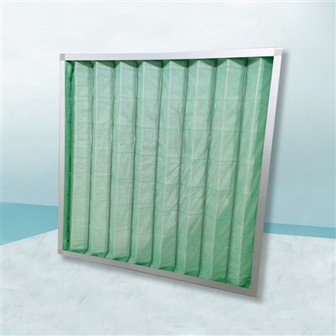
The core filter media of the Primary Bag Filter is polyester synthetic fiber non-woven fabric. This material is soft, highly tough, water-resistant and temperature-resistant, delivering outstanding washability. It is also one of the few primary filtration consumables for ventilation systems that support water washing for repeated use. Proper cleaning and maintenance drastically reduce long-term operating costs and accommodate maintenance requirements for most dry ventilation operating conditions.
Under standard operating conditions, all Primary Bag Filters that only adsorb dry dust, lint, catkins and dust particles can be safely cleaned. For filters with minor daily dust accumulation, dry cleaning is prioritized. Use an industrial vacuum cleaner to gently extract dust from filter bag surfaces, removing most floating dust and surface flocculent debris without water washing. This method is simple and avoids filter media damage, making it ideal for frequent routine maintenance. If filter bags develop thick dust buildup with tiny dry dust embedded deep within pores, water washing is appropriate. Dismount the filter bags and rinse gently with room-temperature clean water without detergent, letting running water wash dust out of embedded pores. Avoid vigorous rubbing and twisting filter bags at all stages to prevent fiber deformation, broken stitching and permanent damage.
The air-drying stage following washing is especially critical and directly impacts subsequent filtration performance. After water washing, filter bags must be placed in cool, well-ventilated, dry environments for natural air-drying. Ensure filter bags dry completely inside and out, with no dampness or residual water stains, before reinstallation. Direct exposure to harsh sunlight, high-temperature hair dryer drying and oven baking are strictly forbidden. High temperatures trigger aging, hardening and shrinkage deformation of synthetic fiber filter media, destroying the original fiber pore structure. This causes reduced filtration efficiency, air and dust leakage and other performance issues, directly shortening filter service life.
Meanwhile, filters falling into the following categories are unsuitable for washing and reuse. First, filter bags contaminated with oily residues including cooking fumes, machine oil and sticky glue dust. These substances bind tightly to filter fibers and cannot be fully removed by clean water washing. Residual oil stains attract additional dust buildup, breed unpleasant odors and foster mold growth. Second, filter bags remain damp long-term, developing mildew and black discoloration with internal bacterial and microbial proliferation. Washing cannot fully eliminate bacteria, and reuse triggers secondary indoor air pollution. Third, physical damage including broken stitching, rips, slackening and fiber shedding appears on filter bags. Washing cannot repair such damage, and continued use renders filtration functions ineffective.
Attention must also be paid to washing frequency. The Primary Bag Filter cannot be washed infinitely. After multiple repeated washes, filter media fibers gradually loosen, pore sizes expand, and filtration precision declines slightly. It is generally recommended to replace filter cartridges with new units after 2 to 3 washing cycles. Excessive, frequent water washing accelerates filter media degradation and yields counterproductive results.
In conclusion, standardized washing represents the key to efficient utilization of the Primary Bag Filter. Undamaged filter bags free of oil contamination can be safely cleaned for reuse, while contaminated or damaged filters should be replaced promptly. This practice maintains stable filtration performance while maximizing overall product cost performance, meeting long-term stable operation demands for all types of ventilation systems.