


Does A Plate Type Primary Filter Need To Be Checked Frequently During Use?
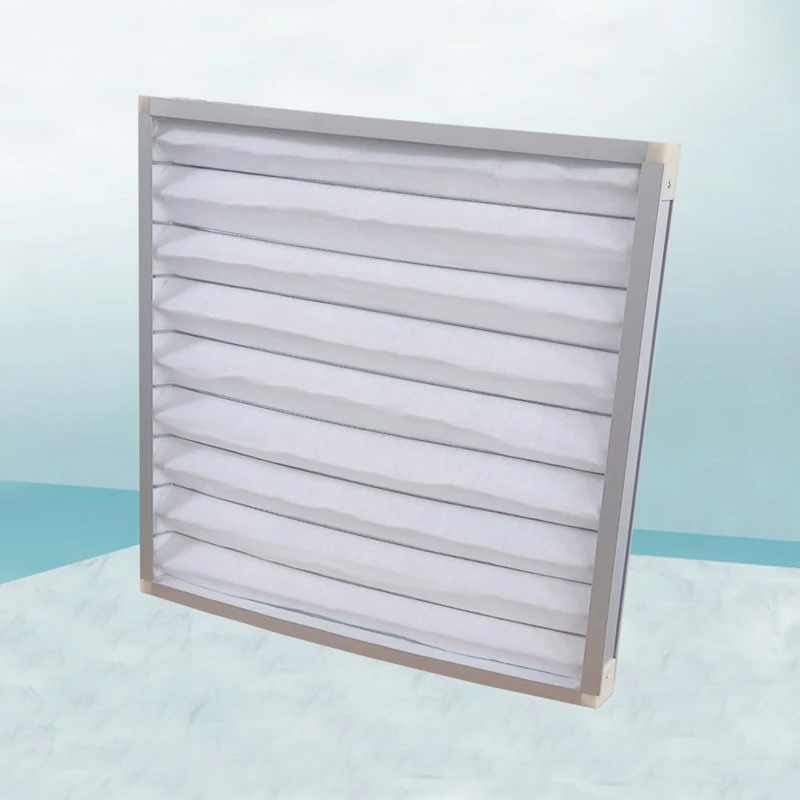
Although a Plate Type Primary Filter has a relatively simple structure, it still requires regular inspection during actual operation. The purpose of inspection is not to replace the filter every time, but to understand the contamination level of the filter media, system pressure drop, and installation condition in a timely manner. This helps prevent the filter from remaining clogged or damaged for an extended period. Regular inspection is particularly important in environments with high dust concentrations, significant changes in air quality, or continuous equipment operation.
The first part of a routine inspection is to check the amount of dust accumulated on the surface of the filter. If the filter media has become significantly darker, is heavily covered with dust, or shows obvious localized blockage, further inspection should be carried out. Appearance alone cannot completely determine whether the filter has reached the replacement point, so the pressure differential across the filter should also be checked when possible. As dust accumulates, the airflow resistance of the filter generally increases. When the pressure differential reaches the maintenance range specified by the equipment or filter manufacturer, the filter should be cleaned or replaced as appropriate. The correct method depends on whether the filter media is washable and on the product's technical requirements.
During inspection, check whether the filter media is damaged, detached, deformed, or exposed to moisture. Significant damage to the filter media may allow air to bypass the filtration material directly, reducing filtration performance. For Plate Type Primary Filter products using frames and sealing strips, also inspect the frame for deformation, the sealing strips for aging, and the fixing devices for looseness. Even when the filter media itself is not clogged, loose installation or inadequate sealing around the filter can cause bypass leakage.
There is no single fixed inspection frequency that applies to every system. The inspection schedule should be established according to the operating environment and equipment conditions. In ordinary environments, inspections can be performed according to the equipment maintenance schedule. If the air contains a large amount of dust or the equipment operates for long periods each day, the inspection interval should be shortened. After a new filter is installed or replaced, an initial inspection can also be performed after a period of operation to determine the actual contamination rate. After several inspections, a maintenance interval that better reflects the actual operating conditions can be established.
In addition to the filter itself, the overall equipment operating condition should also be monitored. A heavily clogged filter may cause a reduction in system airflow, changes in fan load, or increased energy consumption. Therefore, when there is a noticeable change in supply airflow, abnormal equipment noise, or a continuously increasing pressure differential, the filter should be included in the troubleshooting process. It is advisable to record the inspection date, pressure differential, filter condition, and replacement information. These records can help determine the actual service interval of the filter.
Continuous inspection records can help reduce unnecessary early replacement while also preventing filters from being used beyond a reasonable service interval. They can also help identify differences in contamination rates between different areas and provide useful information for determining the required number of replacement filters and maintenance schedules. Comparing the contamination rates of different equipment units may further help optimize maintenance intervals and reduce unnecessary replacement costs. A well-planned inspection system therefore helps maintain stable filtration performance, control operating costs, and support reliable long-term operation of the Plate Type Primary Filter.