


How Often Should The U15 HEPA Air Filter Be Replaced?
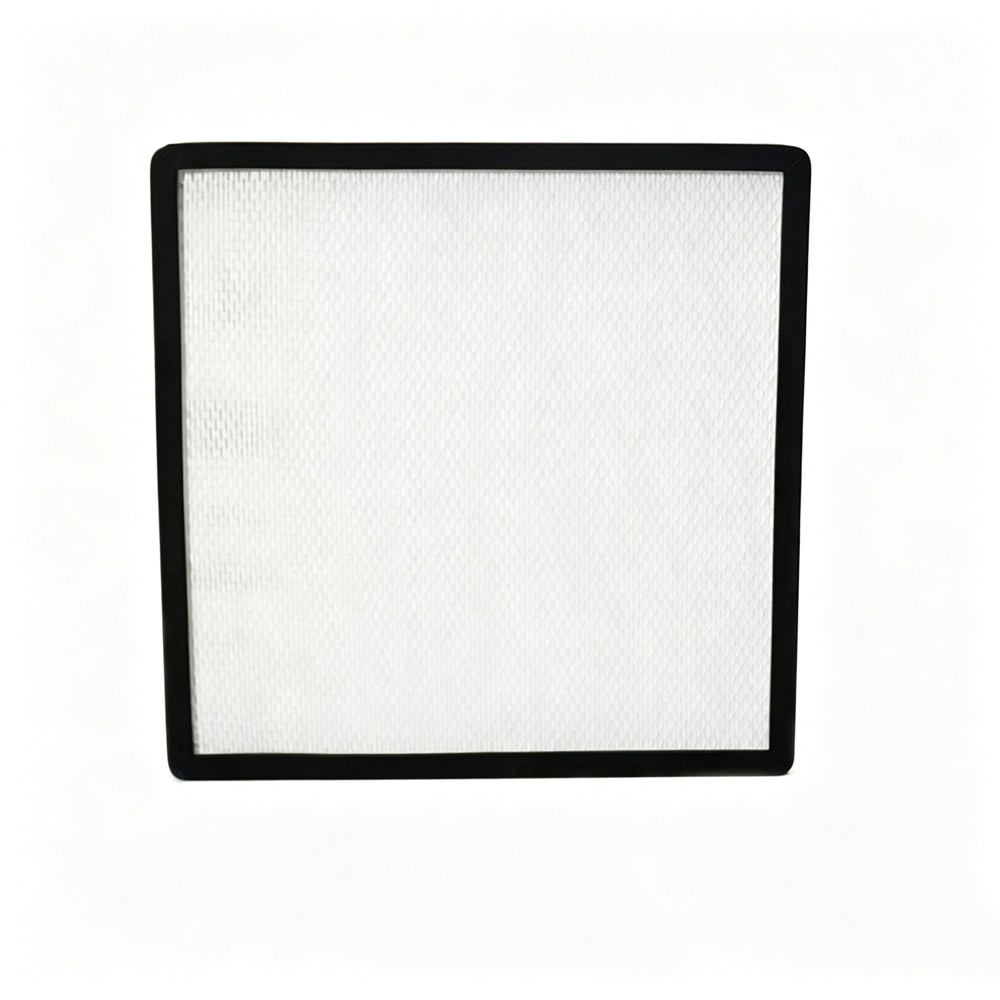
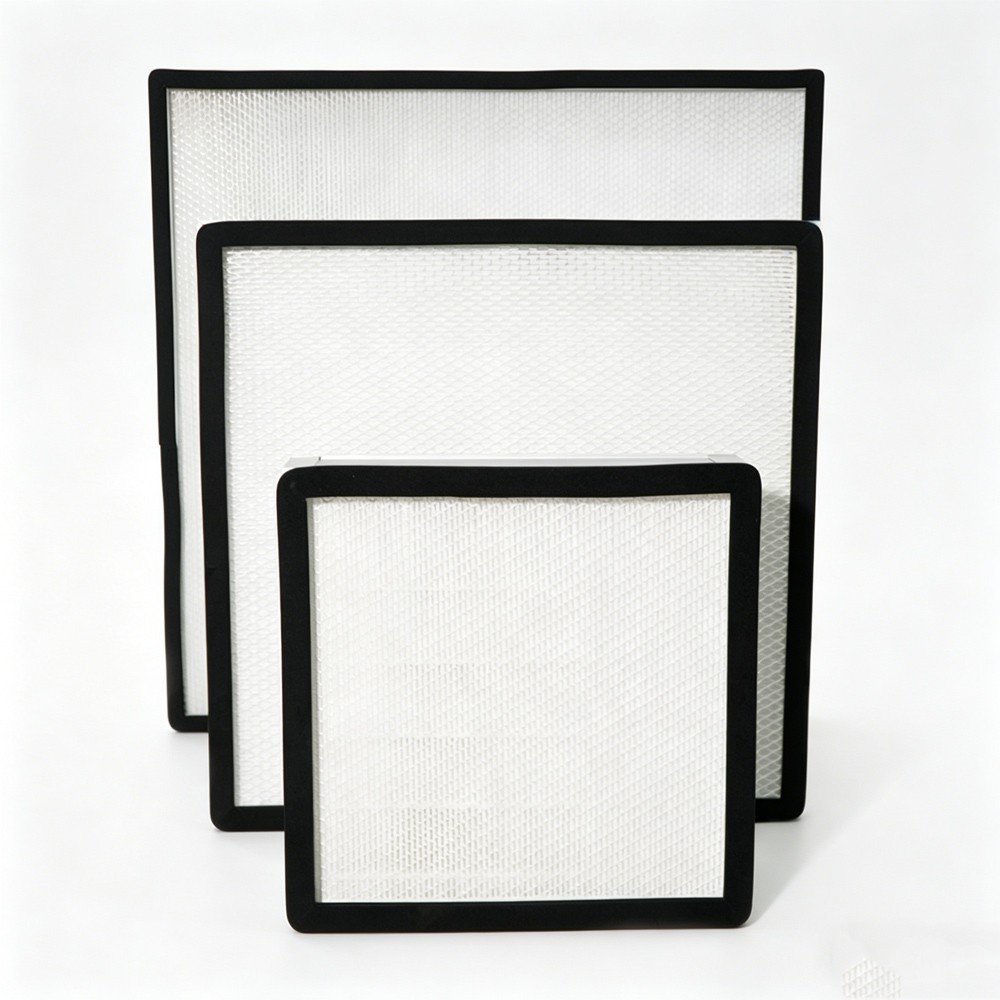
There is no unified rigid time standard for replacing the U15 HEPA Air Filter, and it cannot be mechanically defined by a fixed number of months. The replacement timing should be comprehensively determined based on the actual application scenario, ambient air quality, indoor airtightness and daily service frequency. It is most appropriate to judge the replacement time according to actual usage experience.
In ordinary household environments, indoor pollution sources are relatively few with no intrusion of excessive dust, oil fume and particulate matter. Doors and windows are normally opened and closed for ventilation, which maintains good overall indoor air cleanliness. In such scenarios, the filter bears a light workload, and the accumulation of dust and adsorbed pollutants progresses slowly. With basic dustproof maintenance, frequent replacement is unnecessary. You can judge the replacement time by the smoothness of air output and the freshness of indoor air, without rigidly following a set time schedule.
If the location is near urban main roads, industrial zones or construction sites, or areas with severe pollen in spring and autumn and heavy smog in autumn and winter, the concentration of airborne suspended particles, pollen and dust will rise sharply. The U15 HEPA filter will continuously absorb various impurities, and its internal pores are prone to gradual blockage. This will not only lead to sluggish air supply, but also gradually reduce the actual purification effect. In such environments, the replacement interval should be shortened significantly instead of following the cycle for ordinary households.
Crowded and enclosed public spaces such as shopping malls, office buildings, meeting rooms and training institutions generate more floating dust, hair and fine suspended particles from human activities. The indoor air circulates at a high frequency, leaving the filter operating under long-term high-load conditions. It wears out much faster than in household environments and accumulates pollutants more easily. It is necessary to check its condition more frequently and replace it in a timely manner to prevent the attenuation of filtration efficiency from affecting the overall indoor air quality.
Professional testing is not required to determine whether a replacement is needed; you can easily tell from daily usage experience. Obvious signs include weaker airflow and reduced wind power from fresh air or purification equipment compared with its initial use, persistent stuffy and peculiar indoor odors that cannot be eliminated even by window ventilation, and respiratory discomfort or itchy noses among sensitive people at home. All these indicate that the filter is saturated and needs replacement.
Proper daily maintenance can also indirectly extend the service life of the U15 HEPA Air Filter. You can install external dustproof baffles to reduce the adhesion of large dust particles and prevent premature blockage of the filter. Keeping the interior clean daily and reducing man-made dust pollution from sweeping, shaking bedding and other activities can lower the filtration pressure on the filter. By arranging timely replacement according to actual experience, ambient air quality and air output condition, you can always keep the indoor air clean and comfortable and give full play to the purification performance of the filter.


