

What is the noise level generated by a high efficiency air filter in operation?
As a supplier of high efficiency air filters, I've often been asked about the noise level generated by these filters during operation. This is a crucial aspect that many customers consider, especially in environments where low noise is essential, such as hospitals, laboratories, and residential areas. In this blog, I'll delve into the factors affecting the noise level of high efficiency air filters, how to measure it, and ways to minimize it.
Factors Affecting the Noise Level
The noise generated by a high efficiency air filter is influenced by several factors, including the design of the filter, the airflow rate, and the quality of the fan used in the filtration system.
Filter Design
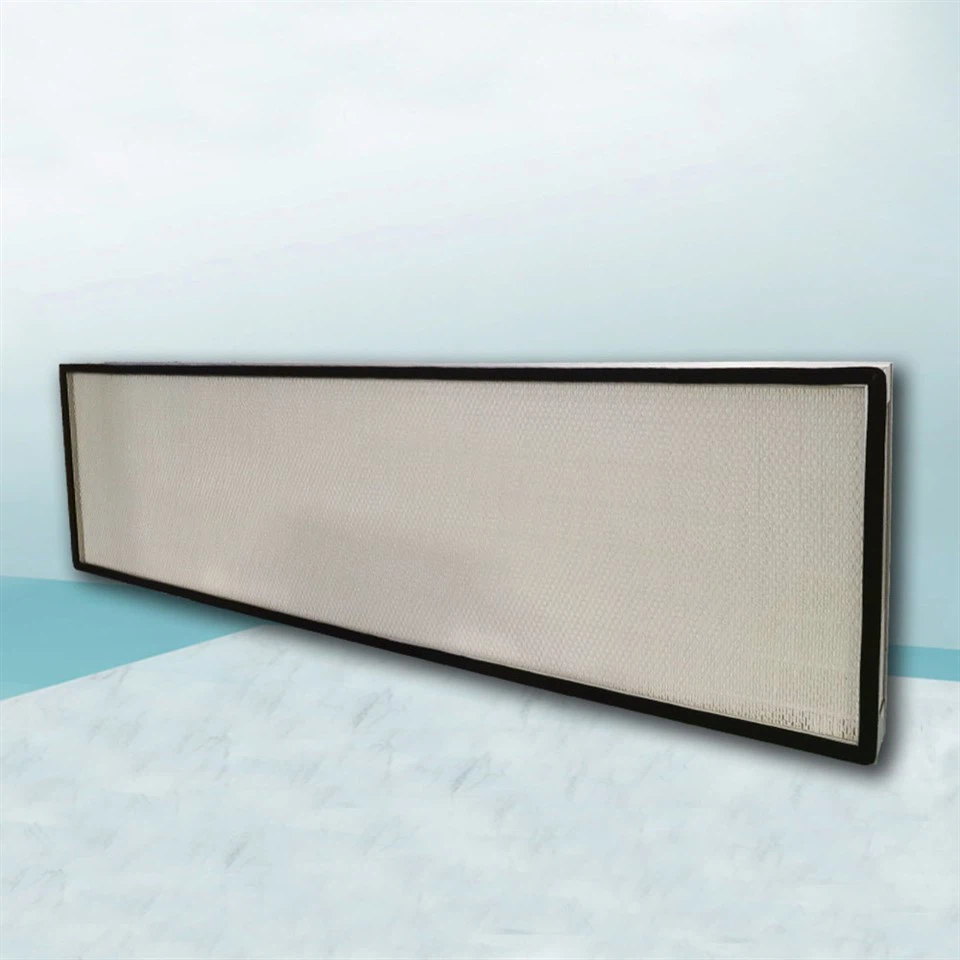
The structure and materials of the filter play a significant role in determining the noise level. For instance, Aluminum Frame No Partition Filter and No Partition Air Filter are designed to have a more streamlined airflow path compared to traditional filters with partitions. This reduces turbulence and, consequently, the noise generated as air passes through the filter.
The pleating density of the filter media also affects noise. A higher pleating density can increase the surface area for filtration, but it may also restrict airflow, leading to higher noise levels. Therefore, manufacturers need to strike a balance between filtration efficiency and airflow resistance to minimize noise.
Airflow Rate
The rate at which air passes through the filter is directly proportional to the noise level. Higher airflow rates generally result in louder noise because the air moves more forcefully through the filter media and other components of the filtration system. In applications where a large volume of air needs to be filtered quickly, such as in industrial settings, the noise level can be relatively high. However, in residential or quiet commercial environments, lower airflow rates are often preferred to keep the noise to a minimum.
Fan Quality
The fan is responsible for driving the air through the filter, and its quality can have a significant impact on the noise level. A high - quality fan is designed to operate smoothly and quietly, with well - balanced blades and efficient motor design. On the other hand, a low - quality fan may produce vibrations and uneven airflow, leading to increased noise. Additionally, the size and power of the fan relative to the filter also matter. An oversized or overpowered fan can create unnecessary noise, while an undersized fan may not be able to provide sufficient airflow.
Measuring the Noise Level
The noise level of a high efficiency air filter is typically measured in decibels (dB). A decibel is a unit used to express the intensity of sound. To measure the noise level of a filter in operation, specialized sound level meters are used. These meters are placed at a specific distance from the filter, usually in the area where the noise is most likely to be noticed, such as in the room where the filter is installed.
It's important to note that the noise level can vary depending on the measurement environment. For example, a filter may produce a different noise level in an open, unobstructed space compared to a confined room with reflective surfaces. Therefore, standardized testing procedures are often used to ensure consistent and accurate measurements. These procedures specify the distance from the filter, the background noise level, and other factors that can affect the measurement.
Minimizing the Noise Level
As a supplier, we understand the importance of providing high efficiency air filters with low noise levels. Here are some strategies we use to minimize the noise generated by our No Partition High Efficiency Filter and other products:
Optimized Design
We invest in research and development to improve the design of our filters. This includes using advanced computer - aided design (CAD) tools to model the airflow through the filter and identify areas where turbulence can be reduced. By optimizing the pleating pattern, frame design, and other aspects of the filter, we can create a more efficient and quieter airflow path.
Sound - Absorbing Materials
In some cases, we incorporate sound - absorbing materials into the filter housing or other components of the filtration system. These materials can help to dampen the vibrations and reduce the noise generated by the moving air. For example, we may use acoustic foam or other porous materials that can absorb sound waves.
Fan Selection and Tuning
We carefully select high - quality fans that are designed for quiet operation. We also perform extensive testing to ensure that the fan is properly matched to the filter. This includes adjusting the fan speed and airflow rate to achieve the optimal balance between filtration efficiency and noise level. Additionally, we use vibration - isolation mounts to reduce the transmission of vibrations from the fan to the filter housing.

Importance of Low Noise in Different Applications
The need for low - noise high efficiency air filters varies depending on the application.
Healthcare Facilities
In hospitals and clinics, a quiet environment is essential for patient comfort and recovery. High efficiency air filters are used to remove harmful particles and pathogens from the air, but excessive noise can be a distraction and even cause stress for patients. Therefore, low - noise filters are crucial in patient rooms, operating theaters, and other sensitive areas.
Residential Buildings
In homes, people want clean air without the annoyance of loud noise. High efficiency air filters can help to improve indoor air quality by removing dust, pollen, and other allergens. However, if the filter produces too much noise, it can disrupt daily activities and sleep. Low - noise filters are especially important in bedrooms, living rooms, and other areas where people spend a lot of time.
Laboratories and Cleanrooms
In laboratories and cleanrooms, strict environmental control is required. High efficiency air filters are used to maintain a clean and particle - free environment. At the same time, a quiet environment is necessary to avoid interference with sensitive equipment and experiments. Therefore, low - noise filters are an essential component of these facilities.
Conclusion
The noise level generated by a high efficiency air filter is an important consideration for customers in various applications. As a supplier, we are committed to providing filters that not only offer high filtration efficiency but also operate quietly. By understanding the factors that affect noise, measuring it accurately, and implementing strategies to minimize it, we can meet the diverse needs of our customers.
If you are interested in our high efficiency air filters and would like to discuss your specific requirements, please feel free to contact us. We are here to provide you with the best solutions for your air filtration needs.
References
- ASHRAE Handbook - HVAC Systems and Equipment. American Society of Heating, Refrigerating and Air - Conditioning Engineers.
- ISO 3744:2010 - Acoustics - Determination of sound power levels and sound energy levels of noise sources using sound pressure - Engineering methods for an essentially free field over a reflecting plane.
- “Noise Control in HVAC Systems” by the Noise Pollution Clearinghouse.