

What is the impact of air velocity on an industrial HEPA filter?
Yo, folks! I'm a supplier of Industrial HEPA Filters, and today I wanna chat about a super important factor that can really shake things up when it comes to these filters: air velocity. If you're in the industrial game, getting a handle on how air velocity affects HEPA filters is crucial. It impacts everything from performance to the lifespan of your filters. So, let's dive right in and explore this topic in detail.
How Air Velocity Affects Filtration Efficiency
First off, let's talk about how air velocity ties into the filtration efficiency of an Industrial HEPA Filter. These filters are designed to trap tiny particles, like dust, pollen, and even some microorganisms. When air blows through the filter at a certain speed, the particles get caught in the filter fibers. But here's the catch: if the air velocity is too high, those small particles may not have enough time to get captured properly.
You see, HEPA filters work based on a few different mechanisms. One is called interception, where particles that are moving along with the air stream come into contact with the filter fibers and get stuck. Another mechanism is impaction, which happens when larger particles in the air can't follow the curved path of the air around the filter fibers and instead crash into them. And then there's diffusion, which is more relevant for really small particles that move randomly due to the Brownian motion and eventually hit the fibers.
When the air velocity is low, these mechanisms have a better chance of working effectively. The particles have more time to interact with the filter fibers, increasing the likelihood of being captured. But when the air velocity cranks up, the particles are moving so fast that they might just zip right through the filter without getting caught. This means that the overall filtration efficiency of the HEPA filter can take a nosedive.
Pressure Drop and Air Velocity
Another big deal when it comes to air velocity and HEPA filters is pressure drop. Pressure drop is basically the difference in air pressure between the upstream and downstream sides of the filter. As air moves through the filter, it has to overcome the resistance created by the filter media. This resistance causes a drop in pressure.
The relationship between air velocity and pressure drop is pretty straightforward: as the air velocity increases, the pressure drop across the filter also increases. Think of it like trying to push water through a straw. If you blow gently, the water moves through easily with little resistance. But if you blow really hard, you'll feel more pressure against your lips because it's harder to force the water through.
In an industrial setting, a high pressure drop can be a real headache. It means that your ventilation system has to work harder to push the air through the filter. This not only uses more energy, which can drive up your operating costs, but it can also put more stress on your fans and other equipment, potentially leading to more frequent breakdowns and maintenance.
Impact on Filter Lifespan
Air velocity also has a major impact on the lifespan of an Industrial HEPA Filter. When the air velocity is too high, the filter gets hit with a higher volume of particles at a faster rate. This can cause the filter to clog up more quickly. Once a filter is clogged, its performance starts to decline, and it may need to be replaced sooner than expected.
On the other hand, if the air velocity is kept at an optimal level, the filter can capture particles more effectively without getting overwhelmed. This means that the filter can last longer, saving you money on replacement costs in the long run.
Finding the Optimal Air Velocity
So, how do you figure out the optimal air velocity for your Industrial HEPA Filter? Well, it's not a one-size-fits-all answer. It depends on a few factors, like the specific type of filter you're using, the size of the particles you're trying to capture, and the requirements of your industrial process.
Most HEPA filter manufacturers will provide guidelines on the recommended air velocity range for their filters. These guidelines are based on extensive testing and research to ensure that the filters perform at their best. It's really important to follow these recommendations as closely as possible to get the most out of your filter.
If you're unsure about what air velocity is right for your situation, you can also consult with a professional in the field. They can help you analyze your specific needs and make recommendations based on your industrial setup.
Different Types of HEPA Filters and Air Velocity
There are different types of HEPA filters out there, and each one might respond differently to air velocity. For example, a No Partition High Efficiency Filter is designed to have a more uniform air flow distribution. This type of filter can often handle slightly higher air velocities without a significant drop in filtration efficiency compared to some other types of filters.

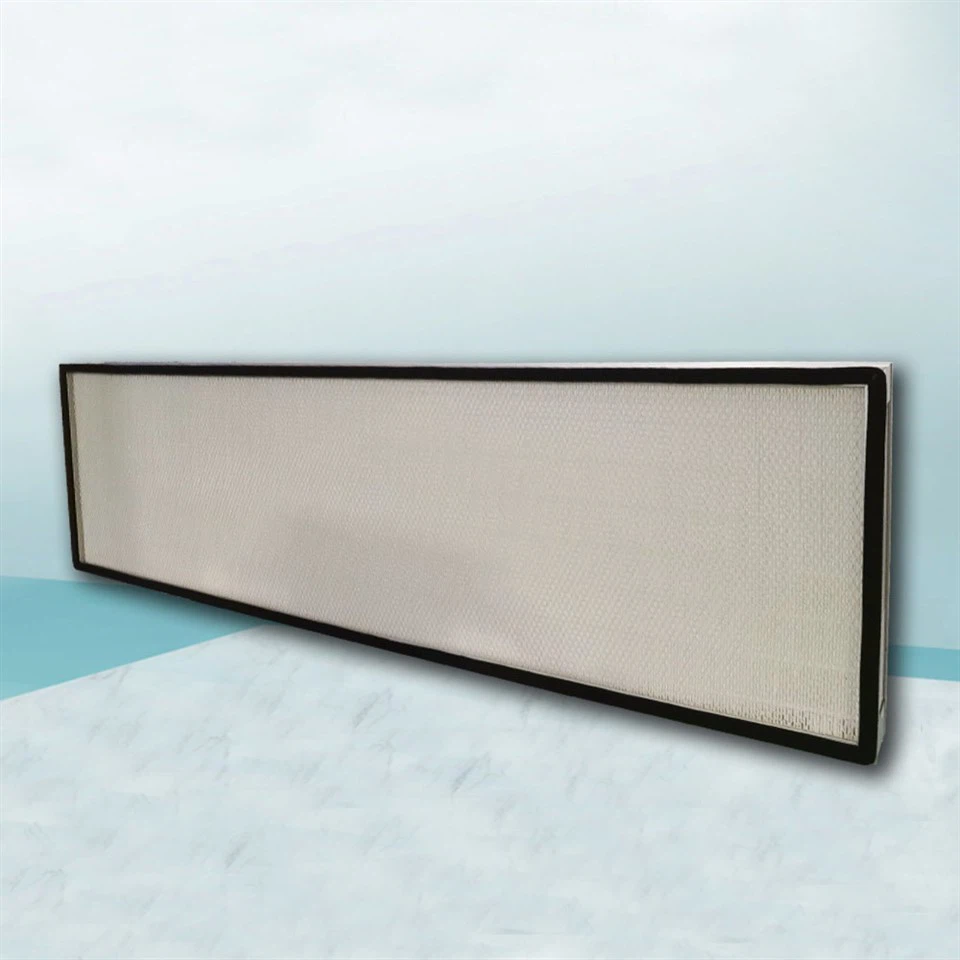
On the other hand, an Aluminum Frame No Partition Filter might have its own unique characteristics when it comes to air velocity. The aluminum frame can provide extra support and durability, but it's still important to operate the filter within the recommended air velocity range to ensure optimal performance.
Monitoring and Adjusting Air Velocity
Once you've set up your Industrial HEPA Filter system, it's crucial to monitor the air velocity regularly. You can use tools like anemometers to measure the air speed at different points in your ventilation system. By keeping an eye on the air velocity, you can detect any changes over time and make adjustments as needed.
If you notice that the air velocity is too high or too low, there are a few things you can do. You might adjust the settings on your fans or blowers to change the air flow rate. You could also check for any blockages or restrictions in the ventilation ducts that could be affecting the air velocity.
Conclusion: The Key Takeaways
In a nutshell, air velocity plays a huge role in the performance, pressure drop, and lifespan of an Industrial HEPA Filter. Keeping the air velocity within the optimal range is essential for maximizing filtration efficiency, reducing energy consumption, and prolonging the life of your filters.
If you're in the market for high-quality Industrial HEPA Filters or need more information on how to optimize air velocity for your specific application, don't hesitate to reach out. We're here to help you make the best choices for your industrial filtration needs. Whether you're looking for a No Partition High Efficiency Filter, an Industrial HEPA Filter, or an Aluminum Frame No Partition Filter, we've got you covered.
Let's have a chat and see how we can work together to meet your industrial filtration requirements. Contact us to start the discussion and get the ball rolling on your next project!
References
- "Fundamentals of Industrial Filtration," by John Smith
- "HEPA Filter Technology and Applications," by Jane Doe
- Various industry reports on industrial air filtration systems