

How to match a Cleanroom HEPA Filter with a ventilation system?
Matching a Cleanroom HEPA Filter with a ventilation system is crucial for maintaining a clean and safe environment in various industries, from pharmaceuticals to electronics manufacturing. As a Cleanroom HEPA Filter supplier, I've seen firsthand the importance of getting this right. In this blog, I'll share some tips on how to match a Cleanroom HEPA Filter with a ventilation system effectively.

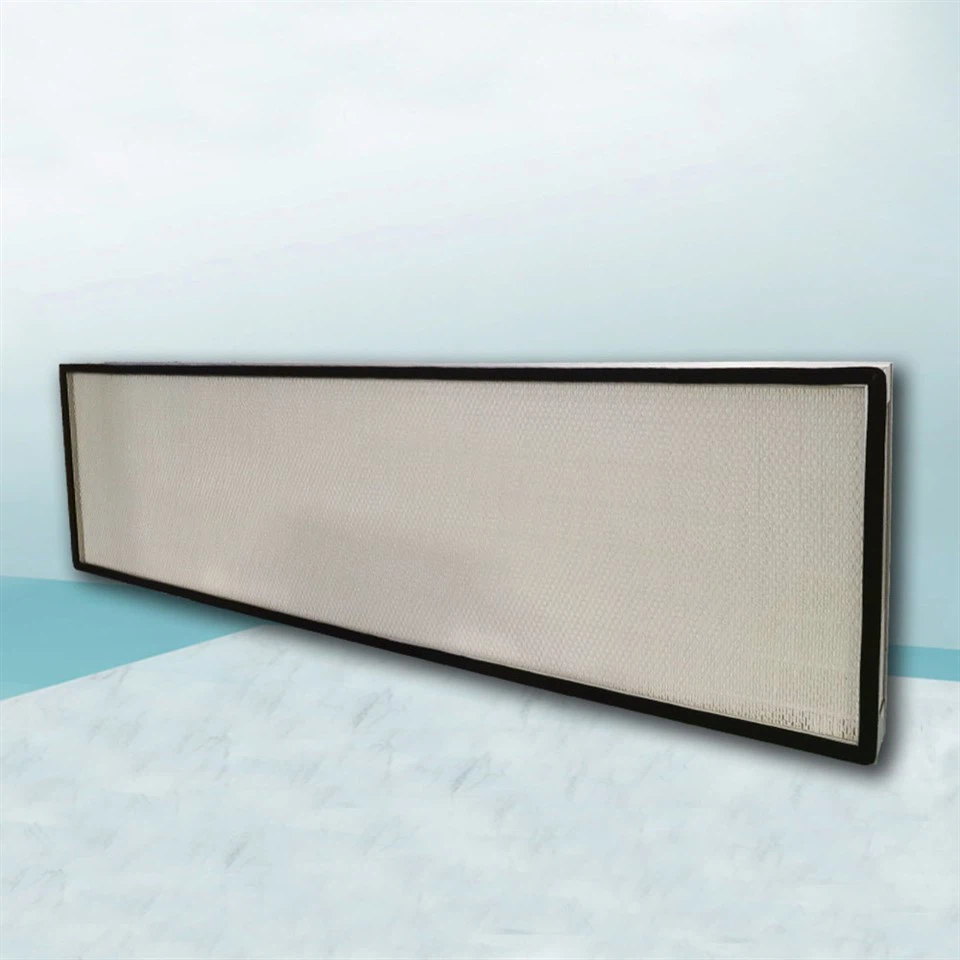
Understanding the Basics of Cleanroom HEPA Filters
First things first, let's talk about what a Cleanroom HEPA Filter is. HEPA stands for High-Efficiency Particulate Air, and these filters are designed to trap at least 99.97% of particles that are 0.3 microns in diameter. They're used in cleanrooms to remove contaminants such as dust, pollen, mold, bacteria, and viruses from the air, ensuring that the air quality meets strict standards.
There are different types of Cleanroom HEPA Filters available, including Aluminum Frame No Partition Filter, No Partition Air Filter, and No Partition High Efficiency Filter. Each type has its own advantages and is suitable for different applications.
Assessing Your Ventilation System
Before you can choose the right Cleanroom HEPA Filter for your ventilation system, you need to assess your system's requirements. Here are some factors to consider:
Airflow Rate
The airflow rate of your ventilation system determines how much air passes through the filter per unit of time. You need to choose a filter that can handle the airflow rate of your system without causing excessive pressure drop. A high airflow rate may require a larger filter or multiple filters to ensure efficient filtration.
Pressure Drop
Pressure drop is the difference in pressure between the upstream and downstream sides of the filter. A high-pressure drop can reduce the efficiency of your ventilation system and increase energy consumption. You need to choose a filter with a low-pressure drop to minimize these effects.
Filtration Efficiency
The filtration efficiency of a filter refers to its ability to remove particles from the air. You need to choose a filter with a high filtration efficiency to ensure that your cleanroom meets the required air quality standards. The efficiency of a HEPA filter is typically measured by its ability to remove particles that are 0.3 microns in diameter.
Size and Dimensions
The size and dimensions of your ventilation system will determine the size and dimensions of the filter you need. You need to choose a filter that fits your system properly to ensure a tight seal and prevent air leakage.
Choosing the Right Cleanroom HEPA Filter
Once you've assessed your ventilation system's requirements, you can choose the right Cleanroom HEPA Filter for your needs. Here are some tips to help you make the right choice:
Consider the Application
The type of application you're using the cleanroom for will determine the level of filtration you need. For example, a pharmaceutical cleanroom may require a higher level of filtration than an electronics manufacturing cleanroom. You need to choose a filter that meets the specific requirements of your application.
Look for Quality and Reliability
When choosing a Cleanroom HEPA Filter, it's important to look for a filter that is made from high-quality materials and is designed to last. A reliable filter will ensure consistent performance and reduce the risk of filter failure. You can look for filters that are certified by independent testing organizations to ensure their quality and reliability.
Compare Prices and Features
There are many different Cleanroom HEPA Filters available on the market, each with its own price and features. You need to compare prices and features to find the filter that offers the best value for your money. However, it's important not to sacrifice quality for price, as a cheap filter may not provide the level of filtration you need.
Installation and Maintenance
Once you've chosen the right Cleanroom HEPA Filter for your ventilation system, it's important to install and maintain it properly. Here are some tips to help you with installation and maintenance:
Follow the Manufacturer's Instructions
The manufacturer's instructions will provide you with detailed information on how to install and maintain your Cleanroom HEPA Filter. You need to follow these instructions carefully to ensure that the filter is installed correctly and operates efficiently.
Use Proper Tools and Equipment
When installing or replacing a Cleanroom HEPA Filter, it's important to use proper tools and equipment to ensure a tight seal and prevent air leakage. You may need to use a filter gasket or sealant to ensure a proper fit.
Regularly Inspect and Replace the Filter
You need to regularly inspect your Cleanroom HEPA Filter to ensure that it is working properly and replace it when necessary. A dirty or clogged filter can reduce the efficiency of your ventilation system and increase the risk of contamination. You can use a pressure gauge to monitor the pressure drop across the filter and determine when it needs to be replaced.
Conclusion
Matching a Cleanroom HEPA Filter with a ventilation system is a critical step in maintaining a clean and safe environment in your cleanroom. By assessing your ventilation system's requirements, choosing the right filter, and installing and maintaining it properly, you can ensure that your cleanroom meets the required air quality standards.
If you're looking for a reliable Cleanroom HEPA Filter supplier, I'd be happy to help. We offer a wide range of high-quality filters to meet the needs of different applications. Contact us today to discuss your requirements and get a quote.
References
- ASHRAE Standard 52.2-2017, Method of Testing General Ventilation Air-Cleaning Devices for Removal Efficiency by Particle Size
- ISO 14644-1:2015, Cleanrooms and associated controlled environments - Part 1: Classification of air cleanliness
- USP <797>, Pharmaceutical Compounding - Sterile Preparations