

How to check the integrity of a medium efficiency pocket filter?
Hey there! As a supplier of medium efficiency pocket filters, I've seen firsthand how important it is to keep these filters in tip - top shape. Checking the integrity of a medium efficiency pocket filter isn't just a routine task; it's crucial for ensuring that the filter performs at its best and provides clean air in various environments. So, let's dive into how you can effectively check the integrity of these filters.
Why Checking Filter Integrity Matters
First off, why bother checking the integrity of a medium efficiency pocket filter? Well, these filters are used in a wide range of settings, from commercial buildings to industrial facilities. They're designed to capture particles like dust, pollen, and mold spores, which helps maintain good air quality. If a filter has integrity issues, it won't be able to trap these particles effectively. This can lead to poor air quality, which in turn can cause health problems for the people in the area and potentially damage equipment that relies on clean air.
Visual Inspection
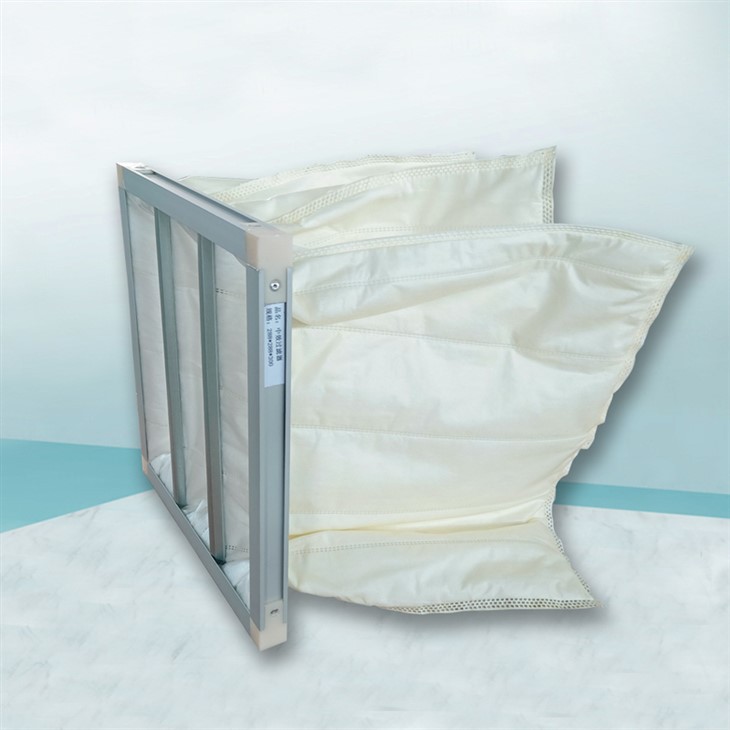
The easiest way to start checking the integrity of a medium efficiency pocket filter is through a visual inspection. Just take a good look at the filter. Here are some things to keep an eye out for:
Holes and Tears
Check for any visible holes or tears in the filter material. These can be caused by physical damage, like rough handling during installation or removal, or by the wear and tear of regular use. Even small holes can significantly reduce the filter's effectiveness. If you spot a hole, the filter might need to be replaced.
Loose Seams
The seams of the pocket filter are where the different parts of the filter are joined together. Make sure these seams are intact. Loose or frayed seams can allow air to bypass the filter material, meaning that particles won't be captured as they should be.
Dirt Buildup
While some dirt buildup is normal, excessive dirt can indicate problems. If one part of the filter is much dirtier than the rest, it could mean that air is flowing unevenly through the filter. This might be due to a blockage or a problem with the installation.

Pressure Drop Testing
Another important method for checking filter integrity is pressure drop testing. Pressure drop refers to the difference in air pressure between the upstream and downstream sides of the filter.
How It Works
You'll need a pressure gauge for this test. First, measure the pressure on the upstream side of the filter (the side where the dirty air enters) and then on the downstream side (the side where the clean air exits). The difference between these two pressures is the pressure drop.
What the Results Mean
A normal, intact filter will have a certain expected pressure drop based on its design and the airflow rate. If the pressure drop is too high, it could mean that the filter is clogged with dirt. On the other hand, if the pressure drop is too low, it might indicate that there's a leak in the filter or that air is bypassing the filter material.
Particle Counting
Particle counting is a more advanced way to check the integrity of a medium efficiency pocket filter. This method involves using a particle counter to measure the number and size of particles in the air before and after it passes through the filter.
How It's Done
Place the particle counter on the upstream side of the filter to measure the particle concentration in the dirty air. Then, move it to the downstream side to measure the particle concentration in the clean air. Compare these two measurements.
What to Look For
A good - quality, intact filter should significantly reduce the number of particles in the air. If the particle concentration on the downstream side is too high, it means that the filter isn't capturing particles as effectively as it should. This could be due to holes, tears, or other integrity issues.
Filter Efficiency Rating
Each medium efficiency pocket filter has an efficiency rating, such as F5, F7, or F8. These ratings indicate the filter's ability to capture particles of a certain size.
Understanding the Ratings
For example, F5 Medium Efficiency Pocket Filter is designed to capture particles in a certain size range with a specific efficiency. Similarly, F7 Medium Efficiency Pocket Filter and F8 Medium Efficiency Pocket Filter have their own efficiency specifications.
Using the Rating for Integrity Check
If you know the expected efficiency rating of the filter, you can use it as a reference. If the filter isn't performing up to its rated efficiency, it could be a sign of integrity problems.
Regular Maintenance and Scheduling Checks
To ensure the long - term integrity of your medium efficiency pocket filters, it's important to have a regular maintenance schedule.
Frequency of Checks
How often you check the filters depends on the environment in which they're used. In a high - dust environment, you might need to check the filters more frequently, maybe every few weeks. In a cleaner environment, monthly or quarterly checks might be sufficient.
Record Keeping
Keep a record of your filter checks. Note down the date of each check, the results of the visual inspection, pressure drop tests, and particle counting (if applicable). This record can help you track the performance of the filters over time and identify any emerging issues.
Conclusion
Checking the integrity of a medium efficiency pocket filter is a multi - step process that involves visual inspection, pressure drop testing, particle counting, and understanding the filter's efficiency rating. By regularly performing these checks and maintaining a proper maintenance schedule, you can ensure that your filters are working effectively and providing clean air.
If you're in the market for high - quality medium efficiency pocket filters or need more advice on filter maintenance, don't hesitate to reach out. We're here to help you find the best solutions for your air filtration needs.
References
- "Air Filtration Handbook", various authors
- Industry standards and guidelines for medium efficiency air filters