

How does humidity affect the performance of a medium efficiency pocket filter?
Humidity is a critical environmental factor that can significantly influence the performance of various filtration systems. As a supplier of medium efficiency pocket filters, I have witnessed firsthand how humidity can impact the functionality and longevity of these filters. In this blog post, I will delve into the science behind how humidity affects the performance of medium efficiency pocket filters, explore the implications for users, and offer insights on how to mitigate potential issues.
Understanding Medium Efficiency Pocket Filters
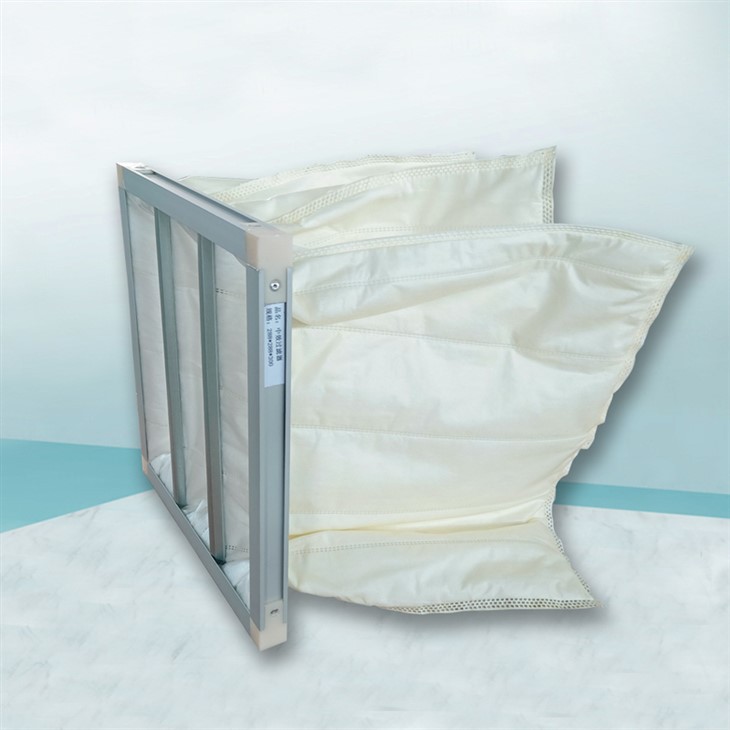
Before we discuss the impact of humidity, let's first understand what medium efficiency pocket filters are and how they work. Medium efficiency pocket filters are designed to capture airborne particles such as dust, pollen, mold spores, and other contaminants. They are commonly used in commercial and industrial HVAC systems, as well as in cleanrooms and other controlled environments.
These filters typically consist of multiple pockets made of synthetic fibers or other filtration media. The pockets are arranged in a way that maximizes the surface area available for filtration, allowing the filter to capture a large volume of particles while maintaining a relatively low pressure drop. Medium efficiency pocket filters are classified according to their efficiency rating, which is typically expressed as a percentage of particles removed at a specific particle size. Common efficiency ratings for medium efficiency pocket filters include F5, F6, F7, and F8.
How Humidity Affects Filter Performance
Humidity can affect the performance of medium efficiency pocket filters in several ways. One of the primary ways humidity impacts filter performance is by altering the physical properties of the filtration media. When the air is humid, the moisture in the air can cause the fibers in the filter media to swell, which can reduce the pore size of the filter and increase the resistance to airflow. This can lead to a higher pressure drop across the filter, which can in turn reduce the airflow through the HVAC system and increase energy consumption.
In addition to altering the physical properties of the filtration media, humidity can also affect the efficiency of the filter. When the air is humid, the moisture in the air can cause particles to stick together, forming larger agglomerates. These larger agglomerates are easier to capture by the filter, which can increase the filter's efficiency. However, if the humidity is too high, the moisture in the air can also cause the particles to become sticky and adhere to the filter media, which can clog the filter and reduce its efficiency over time.
Another way humidity can affect filter performance is by promoting the growth of mold and bacteria on the filter media. When the air is humid, the moisture in the air provides a suitable environment for mold and bacteria to grow. These microorganisms can not only reduce the efficiency of the filter but also pose a health risk to occupants of the building. In addition, the growth of mold and bacteria on the filter media can also cause unpleasant odors and reduce the overall air quality in the building.
Implications for Users
The impact of humidity on the performance of medium efficiency pocket filters can have several implications for users. One of the most significant implications is the potential for increased energy consumption. As mentioned earlier, high humidity can cause the pressure drop across the filter to increase, which can reduce the airflow through the HVAC system and increase energy consumption. This can result in higher energy bills for the building owner or operator.
In addition to increased energy consumption, high humidity can also reduce the lifespan of the filter. When the filter is clogged with particles and moisture, it becomes less effective at capturing contaminants and can eventually fail. This can result in the need for more frequent filter replacements, which can increase maintenance costs and downtime for the HVAC system.
Another implication of high humidity on filter performance is the potential for poor air quality. When the filter is clogged or contaminated with mold and bacteria, it can release these contaminants into the air, which can pose a health risk to occupants of the building. In addition, the growth of mold and bacteria on the filter media can also cause unpleasant odors and reduce the overall comfort of the indoor environment.

Mitigating the Effects of Humidity
While humidity can have a significant impact on the performance of medium efficiency pocket filters, there are several steps that users can take to mitigate these effects. One of the most effective ways to mitigate the effects of humidity is to control the humidity levels in the HVAC system. This can be achieved by using a dehumidifier or by adjusting the temperature and humidity settings of the HVAC system. By maintaining the humidity levels within a recommended range, users can help to prevent the filter media from swelling and clogging, which can improve the filter's performance and lifespan.
Another way to mitigate the effects of humidity is to choose a filter that is designed to withstand high humidity environments. Some medium efficiency pocket filters are specifically designed to resist the effects of moisture and are made from materials that are less likely to swell or become clogged when exposed to high humidity. These filters are typically more expensive than standard filters, but they can provide better performance and longevity in high humidity environments.
In addition to controlling the humidity levels and choosing a suitable filter, users can also take steps to maintain the filter properly. This includes regularly inspecting the filter for signs of damage or clogging, and replacing the filter when it reaches the end of its service life. By maintaining the filter properly, users can help to ensure that it continues to perform effectively and efficiently, even in high humidity environments.
Conclusion
Humidity is a critical environmental factor that can significantly influence the performance of medium efficiency pocket filters. By understanding how humidity affects filter performance and taking steps to mitigate these effects, users can help to ensure that their HVAC systems continue to operate effectively and efficiently, while also providing a healthy and comfortable indoor environment.
As a supplier of medium efficiency pocket filters, I offer a wide range of products that are designed to meet the needs of various applications and environments. Our Bag Type Medium Efficiency Air Filter is a popular choice for commercial and industrial HVAC systems, while our F8 Medium Efficiency Pocket Filter is ideal for cleanrooms and other controlled environments. We also offer F5 Pocket Air Filter for applications where a lower efficiency rating is required.
If you are interested in learning more about our medium efficiency pocket filters or would like to discuss your specific filtration needs, please contact us. Our team of experts is available to provide you with personalized advice and support to help you choose the right filter for your application.
References
- ASHRAE Handbook - Fundamentals. American Society of Heating, Refrigerating and Air-Conditioning Engineers, Inc.
- ISO 16890:2016. Air filters for general ventilation - Determination of filtration performance. International Organization for Standardization.
- EN 779:2012. Particulate air filters for general ventilation - Requirements, testing, marking. European Committee for Standardization.