

How does humidity affect an industrial HEPA filter?
Hey there! As an industrial HEPA filter supplier, I've seen firsthand how humidity can have a significant impact on these crucial air - filtration devices. In this blog, I'm gonna break down exactly how humidity affects industrial HEPA filters and why it's something you need to keep an eye on.
First off, let's talk a bit about what HEPA filters are. HEPA stands for High - Efficiency Particulate Air, and these filters are designed to capture 99.97% of particles that are 0.3 microns in diameter or larger. They're widely used in industrial settings where air quality is critical, like in pharmaceutical manufacturing, electronics production, and even in some HVAC systems in industrial buildings.
1. Moisture Buildup and Its Effects
One of the most obvious ways humidity affects HEPA filters is through moisture buildup. When the humidity in the air is high, the air contains more water vapor. And when this moist air passes through the filter, the water can start to collect on the filter media.
This moisture buildup can lead to a few different problems. First of all, it can cause the filter to become heavier. As the filter media absorbs water, its weight increases, which can put extra stress on the filter frame and the mounting system. Over time, this added stress can lead to structural damage, like warping of the filter frame or even detachment of the filter media from the frame.
Another issue is that the moisture can create a breeding ground for mold and bacteria. These microorganisms love damp environments, and once they start growing on the filter, they can not only reduce the filter's effectiveness but also pose a health risk. If the contaminated air is recirculated into the industrial space, it can lead to respiratory problems for workers and potentially contaminate products.
2. Impact on Filtration Efficiency
High humidity can also have a direct impact on the filtration efficiency of HEPA filters. The filter media in a HEPA filter works by a combination of mechanisms, including interception, impaction, and diffusion. When the filter media is wet, these mechanisms can be disrupted.
For instance, the water on the filter fibers can cause the particles to clump together. Instead of being individually captured by the filter media, the clumped particles may be more likely to bypass the filter. This means that the filter may not be able to achieve its rated efficiency of capturing 99.97% of particles.
Moreover, the moisture can change the surface properties of the filter media. The electrostatic charges on the filter fibers, which play a crucial role in attracting and holding particles, can be neutralized or reduced by the water. As a result, the filter's ability to capture small particles, especially those in the sub - micron range, can be severely compromised.
3. Pressure Drop
Pressure drop is another important factor to consider when it comes to the relationship between humidity and HEPA filters. Pressure drop refers to the difference in air pressure on the upstream and downstream sides of the filter. A higher pressure drop means that the air has to work harder to pass through the filter, which can increase energy consumption in the HVAC system.
When humidity is high and moisture accumulates on the filter media, the pores in the media can become clogged. This reduces the airflow through the filter and increases the pressure drop. As the pressure drop increases, the fan in the HVAC system has to work harder to maintain the desired airflow rate. This not only leads to higher energy costs but can also shorten the lifespan of the fan and other components in the system.
4. Compatibility with Different Filter Types
Not all HEPA filters are equally affected by humidity. There are different types of HEPA filters available in the market, and their performance under humid conditions can vary.
For example, No Partition High Efficiency Filter is a popular type of HEPA filter. These filters typically have a more compact design and are made of a continuous sheet of filter media. While they offer high filtration efficiency, they may be more sensitive to moisture buildup because the lack of partitions can make it harder for the moisture to disperse evenly across the filter.
On the other hand, Aluminum Frame No Partition Filter is another option. The aluminum frame provides some structural support, which can help mitigate the damage caused by the extra weight of the moist filter media. However, if the humidity is extremely high, even the aluminum frame may not be enough to prevent long - term damage.
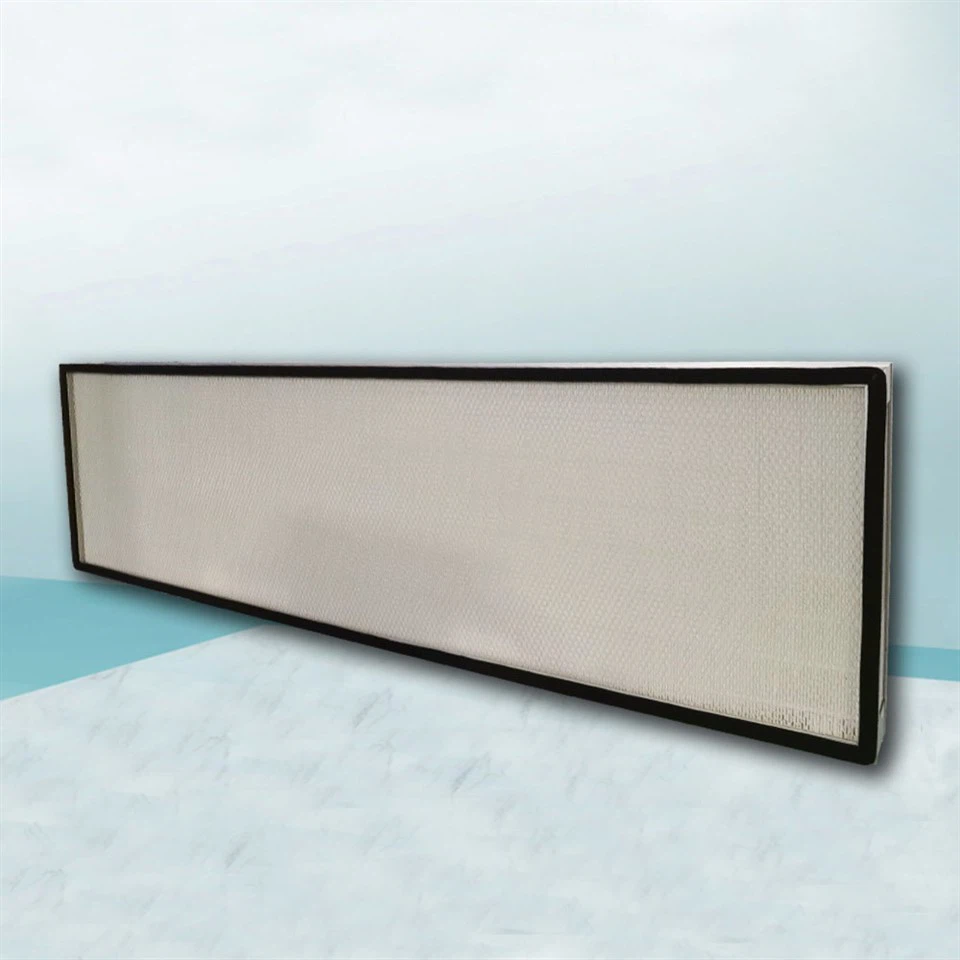

And then there's the Cleanroom HEPA Filter. These filters are designed for use in cleanrooms where air quality standards are extremely strict. They are often made to be more resistant to moisture and contaminants, but still, high humidity can take a toll on their performance over time.
5. Mitigating the Effects of Humidity
So, what can you do to minimize the impact of humidity on your industrial HEPA filters?
First, it's important to control the humidity levels in the environment where the filters are installed. This can be done using dehumidifiers, which remove excess moisture from the air. By keeping the humidity within an optimal range (usually between 30% - 50% relative humidity), you can reduce the risk of moisture buildup on the filters.
Regular maintenance is also crucial. Inspect the filters on a regular basis to check for signs of moisture, mold growth, or damage. Replace the filters as soon as you notice any issues, as a damaged filter can no longer provide the required level of air filtration.
In addition, consider using filters that are specifically designed to be more resistant to humidity. Some manufacturers offer HEPA filters with special coatings or treatments that can help repel water and prevent mold growth.
6. The Bottom Line
As an industrial HEPA filter supplier, I know that maintaining the performance of these filters is essential for the success of your operations. Humidity can have a significant impact on the efficiency, lifespan, and overall performance of HEPA filters. By understanding how humidity affects the filters and taking steps to mitigate these effects, you can ensure that your air filtration system is working at its best.
If you're in the market for high - quality industrial HEPA filters or have questions about how to deal with humidity in your filtration system, don't hesitate to reach out. We're here to help you find the right solution for your specific needs. Contact us to start a discussion about your procurement requirements and how we can work together to keep your industrial environment clean and safe.
References
- American Society of Heating, Refrigerating and Air - Conditioning Engineers (ASHRAE). ASHRAE Handbook: HVAC Applications.
- United States Environmental Protection Agency (EPA). Indoor Air Quality Guide for Building Owners and Facility Managers.
- International Organization for Standardization (ISO). ISO 16890:2016 - Air filters for general ventilation.