

How does a high efficiency air filter work in a dental clinic?
A dental clinic is a place where patients receive various dental treatments, and the air quality in such an environment is of utmost importance. Dental procedures often generate aerosols and fine particles that can carry harmful microorganisms, including bacteria and viruses. This is where high efficiency air filters come into play. As a high efficiency air filter supplier, I am well - versed in how these filters function in a dental clinic setting.
The Need for High Efficiency Air Filters in Dental Clinics
Dental treatments, such as tooth extractions, root canals, and the use of high - speed dental drills, can produce a large amount of aerosols. These aerosols are tiny liquid droplets or solid particles suspended in the air. They can contain saliva, blood, bacteria, and viruses. In a closed - space dental clinic, these aerosols can linger in the air for an extended period, posing a significant risk of cross - contamination among patients and dental staff.
According to research, the spread of infectious diseases like influenza, tuberculosis, and COVID - 19 can be facilitated by the inhalation of contaminated aerosols. A high efficiency air filter is essential to capture these harmful particles and microorganisms, reducing the risk of airborne transmission of diseases in the dental clinic.
How High Efficiency Air Filters Work
High efficiency air filters, commonly known as HEPA (High - Efficiency Particulate Air) filters, are designed to trap extremely small particles with a high degree of efficiency. The working principle of these filters is based on several mechanisms:
Interception
When an aerosol particle follows the airflow and comes into contact with the fibers of the filter, it gets stuck on the fibers. This is similar to how a fly gets stuck on a spider's web. The fibers in a high efficiency air filter are arranged in a complex, intertwined pattern. As the air passes through the filter, the particles are more likely to collide with the fibers and be intercepted.
Inertial Impaction
Larger particles in the airflow have more inertia. When the airflow changes direction suddenly as it passes through the filter, these larger particles, due to their inertia, cannot follow the change in direction and collide with the filter fibers. For example, if a large dust particle is moving in a straight line with the airflow and the airflow suddenly bends around a fiber, the dust particle will continue moving straight and hit the fiber.

Diffusion
Smaller particles, especially those in the sub - micron range, are subject to Brownian motion. Brownian motion causes these particles to move randomly in the air. As they move randomly, they are more likely to come into contact with the filter fibers and be captured. This mechanism is particularly important for capturing very small particles that are difficult to capture through interception or inertial impaction alone.
Electrostatic Attraction
Some high efficiency air filters are treated with an electrostatic charge. This charge creates an electrostatic field around the filter fibers. Particles passing through the filter are attracted to the charged fibers due to electrostatic forces. This additional mechanism enhances the filter's ability to capture particles, especially those that are not easily captured by the other three mechanisms.
Types of High Efficiency Air Filters Suitable for Dental Clinics
As a high efficiency air filter supplier, I offer a range of filters that are well - suited for dental clinics.
No Partition High Efficiency Filter
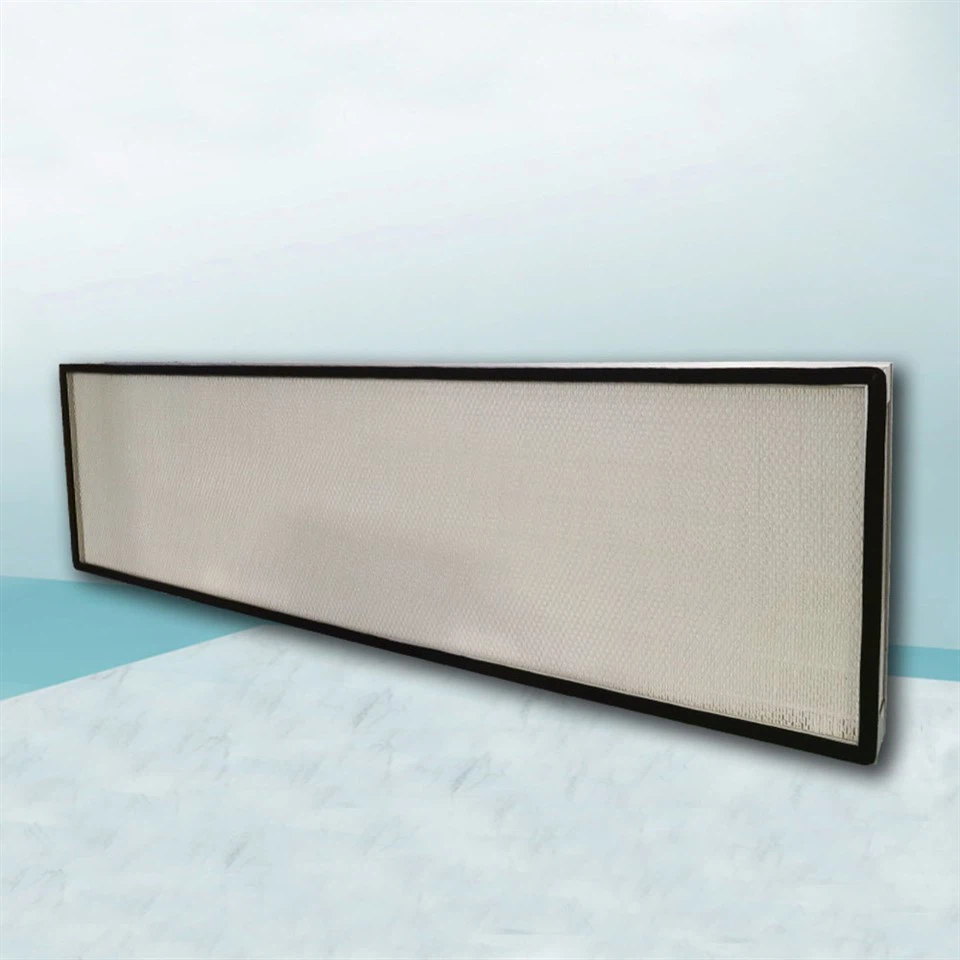
The No Partition High Efficiency Filter is a popular choice. It has a compact design and a high dust - holding capacity. The absence of partitions allows for a more uniform airflow distribution across the filter, reducing the resistance to airflow. This means that the air can pass through the filter more easily, while still maintaining a high filtration efficiency.
Aluminum Frame No Partition Filter
The Aluminum Frame No Partition Filter combines the advantages of a no - partition design with the durability of an aluminum frame. The aluminum frame provides structural support to the filter, making it more robust and suitable for long - term use in a dental clinic environment. It also has excellent corrosion resistance, ensuring that the filter can withstand the humid conditions often present in dental clinics.
No Partition Air Filter
The No Partition Air Filter is another option. It is lightweight and easy to install. This type of filter is cost - effective and can be replaced regularly to ensure optimal air quality in the dental clinic.
Installation and Maintenance of High Efficiency Air Filters in Dental Clinics
Proper installation and maintenance of high efficiency air filters are crucial for their effective operation in a dental clinic.
Installation
The filters should be installed in the air handling system of the dental clinic according to the manufacturer's instructions. They should be sealed properly to prevent any air leakage around the edges of the filter. A poorly installed filter can allow unfiltered air to bypass the filter, reducing its effectiveness.
Maintenance
Regular maintenance is necessary to ensure the continued performance of the filters. This includes checking the filter for signs of damage or clogging. A clogged filter will increase the resistance to airflow, reducing the efficiency of the air handling system and potentially causing it to overheat. When the filter is dirty, it should be replaced with a new one. The frequency of filter replacement depends on the level of air pollution in the dental clinic and the usage of the air handling system.
Benefits of Using High Efficiency Air Filters in Dental Clinics
Using high efficiency air filters in dental clinics offers several benefits:
Improved Air Quality
By capturing harmful particles and microorganisms, the filters significantly improve the air quality in the dental clinic. This creates a healthier environment for both patients and dental staff, reducing the risk of respiratory problems and the spread of infectious diseases.
Compliance with Regulations
Many countries and regions have regulations regarding air quality in healthcare facilities, including dental clinics. Using high efficiency air filters helps dental clinics comply with these regulations, avoiding potential fines and legal issues.
Enhanced Reputation
A dental clinic that prioritizes air quality by using high efficiency air filters can enhance its reputation among patients. Patients are more likely to trust a clinic that takes measures to protect their health and safety.
Conclusion
In conclusion, high efficiency air filters play a vital role in maintaining a safe and healthy environment in dental clinics. Their ability to capture harmful particles and microorganisms through mechanisms such as interception, inertial impaction, diffusion, and electrostatic attraction makes them an essential component of the air handling system in dental clinics.
As a high efficiency air filter supplier, I am committed to providing high - quality filters that meet the specific needs of dental clinics. Our No Partition High Efficiency Filter, Aluminum Frame No Partition Filter, and No Partition Air Filter are designed to provide optimal filtration performance and durability.
If you are a dental clinic owner or manager looking to improve the air quality in your clinic, I encourage you to contact us for more information about our high efficiency air filters. We can provide you with detailed product specifications, installation guidance, and maintenance advice. Let's work together to create a safer and healthier environment for your patients and staff.
References
- American Dental Association. (2020). Guidelines for infection control in dental settings.
- World Health Organization. (2021). Airborne transmission of infectious agents in healthcare facilities.
- Institute of Environmental Sciences and Technology. (2019). Standards for high - efficiency particulate air filters.